
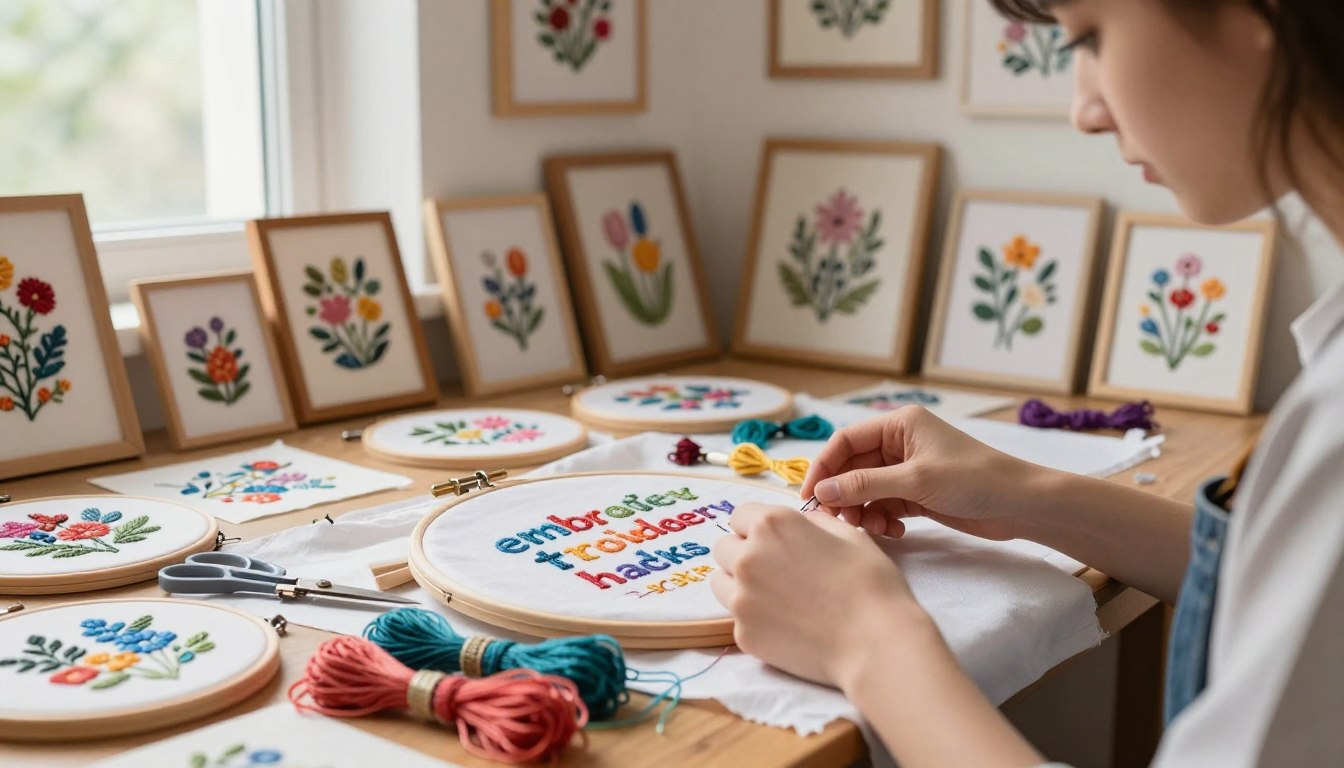
Learning different techniques can really boost your embroidery projects. Just a few tweaks in your approach can lead to professional-looking results. This can also make your work look better overall.
For beginners, knowing the basics of counted cross stitch is key. Learning a few embroidery hacks can make your stitches better. This way, you can make beautiful, lasting pieces.
Key Takeaways
- Small technique changes can significantly improve stitching results
- Mastering various embroidery techniques is crucial for professional-looking outcomes
- Understanding counted cross stitch basics is essential for beginners
- Avoiding common cross stitch mistakes can enhance overall quality
- Simple embroidery hacks can improve stitching and create durable pieces
The Foundation of Better Cross Stitch Projects
To get great results in cross stitch, start with the best foundation. The quality of your materials and how you prepare your fabric are key. They greatly affect your project’s outcome.
Proper Fabric Selection and Preparation
Picking the right fabric is the first step to a successful cross stitch project. Choosing the right count and type of fabric is crucial for the project’s look.
Choosing the Right Count and Type
The count of your fabric means threads per inch. A higher count means more detail, while a lower count is better for bigger, simpler designs. Aida cloth and Evenweave are favorites among stitchers.
Pre-washing and Handling Tips
Pre-washing your fabric removes finishes that could mess with your stitches. It’s also key to handle your fabric gently to avoid wrinkles and distortions. Gently ironing your fabric before starting can make sure it’s smooth for stitching.
Quality Thread Choices That Make a Difference
The thread you pick can really change how your cross stitch looks. DMC Floss is a top pick, but there are other good options too.
DMC Floss vs. Alternatives
DMC Floss is famous for its bright colors and lasting quality. But, other brands offer similar quality at different prices. It’s smart to look at alternatives to find the best for your project.
Storage Solutions for Longevity
Storing your threads right can make them last longer. Using thread organizers or storage boxes keeps them neat and prevents tangles.
CROSS STITCH Technique Adjustments for Immediate Improvement
To improve your cross stitch, try a few simple changes. Even small tweaks can greatly enhance your work’s quality and look.
The Secret to Consistent Tension
Consistent tension is key for a professional finish. Inconsistent tension can cause puckering or loose stitches, ruining the look.
Hand Position Modifications
Changing how you hold your hands can help keep tension steady. Try different grips and hand placements to find what works for you.
Avoiding the Railroad Effect
The “railroad effect” happens when stitches aren’t aligned right, making the work look off. To prevent this, focus on your stitch direction and follow the pattern closely.
Directional Stitching for a Professional Look
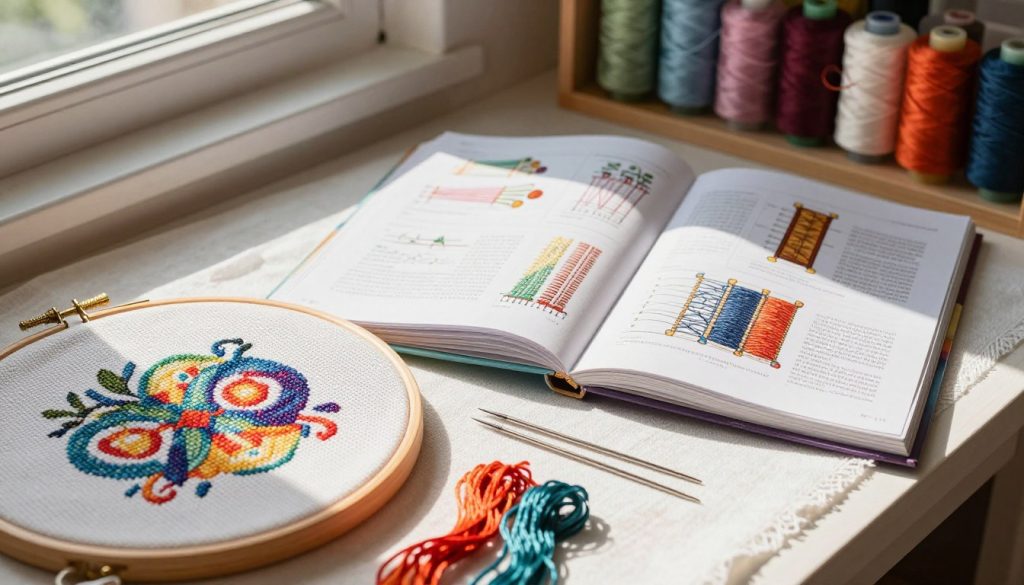
The direction you stitch in greatly affects your project’s look. Directional stitching means stitching in a specific way for a uniform finish.
Danish vs. English Method
There are two main ways to stitch directionally: Danish and English. Danish stitching goes diagonally, while English stitching goes horizontally or vertically.
When to Break the Rules
While sticking to techniques is crucial, sometimes breaking them can make your project unique. Feel free to experiment and try new things.
By making these technique changes, you can quickly enhance your cross stitch projects. Remember, the more you practice, the better you’ll get. Enjoy the journey of improving your skills.
Organization Strategies That Transform Your Stitching Experience
Organization is key to a stress-free and enjoyable cross stitch experience. By implementing effective organizational strategies, you can significantly improve your stitching results and overall enjoyment.
Effective Pattern Reading and Marking
To start a cross stitch project on the right foot, it’s crucial to have a clear understanding of the pattern. Effective pattern reading involves more than just looking at the chart; it requires a systematic approach to understanding the design, colors, and stitches involved.
Highlighting and Tracking Methods
One useful technique is to highlight your progress on the pattern chart. This can be done using colored pens or pencils to mark completed stitches or sections.
Digital Pattern Management
For those who prefer digital patterns, utilizing software or apps designed for cross stitch can streamline your process. These tools often allow you to zoom in on details, track progress, and even adjust the pattern to suit your needs.
Thread Organization Systems for Efficiency
Thread organization is another critical aspect of a smooth cross stitch experience. Keeping your threads organized can save you time and reduce frustration.
Bobbins vs. Other Storage Methods
Using bobbins is a popular method for managing threads. They keep your threads untangled and easily accessible. However, other storage methods, such as thread cards or small containers, can also be effective depending on your preference.
Color Sorting Approaches
Sorting your threads by color can further enhance your efficiency. You can organize them by shade, brand, or the specific project they’re used for.
| Organization Method | Description | Benefits |
|---|---|---|
| Bobbins | Threads wound around bobbins for easy access | Reduces tangles, easy to use |
| Thread Cards | Threads stored on cards with holes or slots | Visible thread lengths, keeps threads clean |
| Digital Apps | Software or apps for managing patterns and threads digitally | Space-saving, easy to update, customizable |
Advanced Techniques That Elevate Your Projects
To make your cross-stitch projects better, try advanced techniques. These methods can make your work look and feel more professional.
Perfecting Your Backstitch for Definition
Backstitching is key in cross-stitch for adding detail. Getting good at it can make your stitching look like a pro’s.
Single vs. Double Thread Approaches
For backstitching, you can use one or two threads. A single thread makes lines finer, perfect for small details. A double thread makes lines thicker, great for big outlines.
Creative Backstitch Variations
Try new backstitch ways to make your projects stand out. Use different colors or textures for cool effects. Change the stitch length and spacing for different looks.
Specialty Stitches Worth Mastering
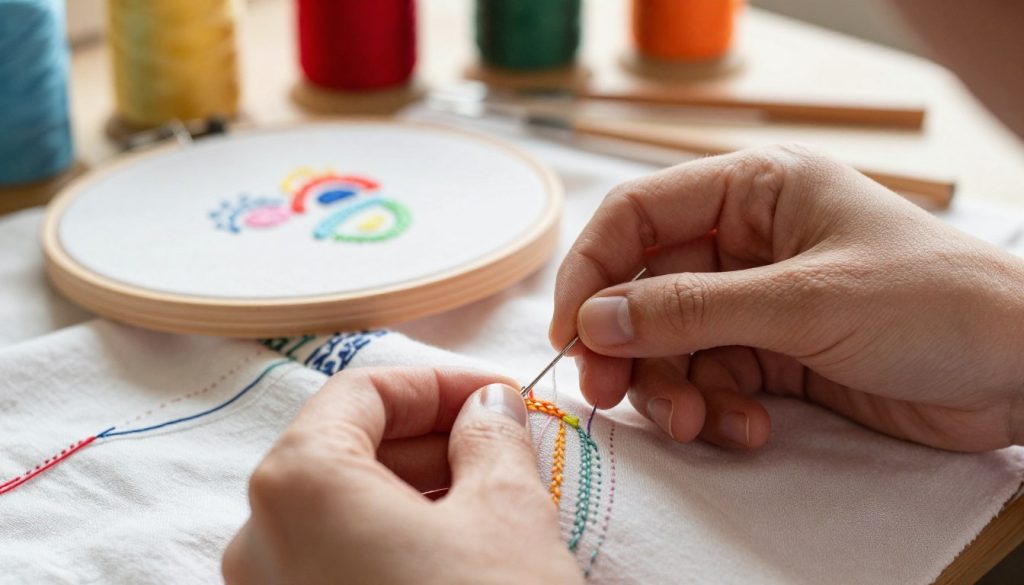
There are special stitches that can make your cross-stitch better. Learning these can open up new ideas for your projects.
French Knots Without Frustration
French knots can be tricky, but with practice, you can get them right. Keep your tension even and use the right needle size.
Long Stitches and Couching
Long stitches and couching add texture to your designs. They make your projects more interesting and detailed.
| Stitch Type | Description | Best Use |
|---|---|---|
| Backstitch | Outlining and details | Outlining designs, adding fine details |
| French Knots | Textured, dimensional elements | Creating flowers, eyes, or other focal points |
| Long Stitches | Textured, linear elements | Adding shading, creating grass or hair effects |
Essential Tools That Improve Stitch Quality
The right tools are key to better stitching. Having the right equipment can greatly improve your work’s quality.
Needle Selection for Different Projects
Choosing the right needle is crucial for high-quality stitches. Different projects need different needles.
Size and Type Considerations
The size and type of needle matter for your stitches. For example, a tapestry needle is great for cross-stitch because of its blunt tip and large eye.
When to Replace Your Needles
Needles can wear out or bend, hurting your stitch quality. It’s important to replace them often to keep your work consistent.
Frames and Hoops: Finding Your Perfect Match
The right frame or hoop keeps your stitches even and prevents distortion. There are many types, depending on your project size and what you like.
Q-Snaps vs. Traditional Hoops
Q-Snaps are loved for their ease and flexibility. But traditional hoops are better for bigger projects because they’re more stable.
Tension Maintenance Techniques
Keeping the right tension is essential for professional-looking stitches. Adjusting your frame or hoop right can stop puckering or loose stitches.
Conclusion: Small Changes for Remarkable Results
Small changes can make a big difference in your cross stitch projects. Learning the right fabric, thread, and tension can greatly improve your work. These small steps can lead to amazing results.
Using cross stitch tips like directional stitching and pattern reading can also help. Hacks like organizing threads and choosing the right needles make stitching easier. This lets you focus on making beautiful designs.
Even small adjustments can lead to big improvements. By using these tips and techniques, your cross stitch will look professional. You’ll show off your skills in every stitch.
FAQ
What is the best fabric count for beginner cross stitch projects?
How do I prevent the “railroad effect” in my cross stitch?
What is the best way to organize my cross stitch threads?
How do I choose the right needle for my cross stitch project?
What are some tips for perfecting backstitch in cross stitch?
Can I use different types of floss for cross stitch, or is DMC the only option?
How often should I replace my cross stitch needle?
What are some effective ways to manage digital cross stitch patterns?
This post contains affiliate links. If you click on a link and make a purchase, I may earn a small commission — at no extra cost to you. Thank you for supporting this blog and helping me keep the patterns free! Read the full Affiliate Disclosure & Transparency.