
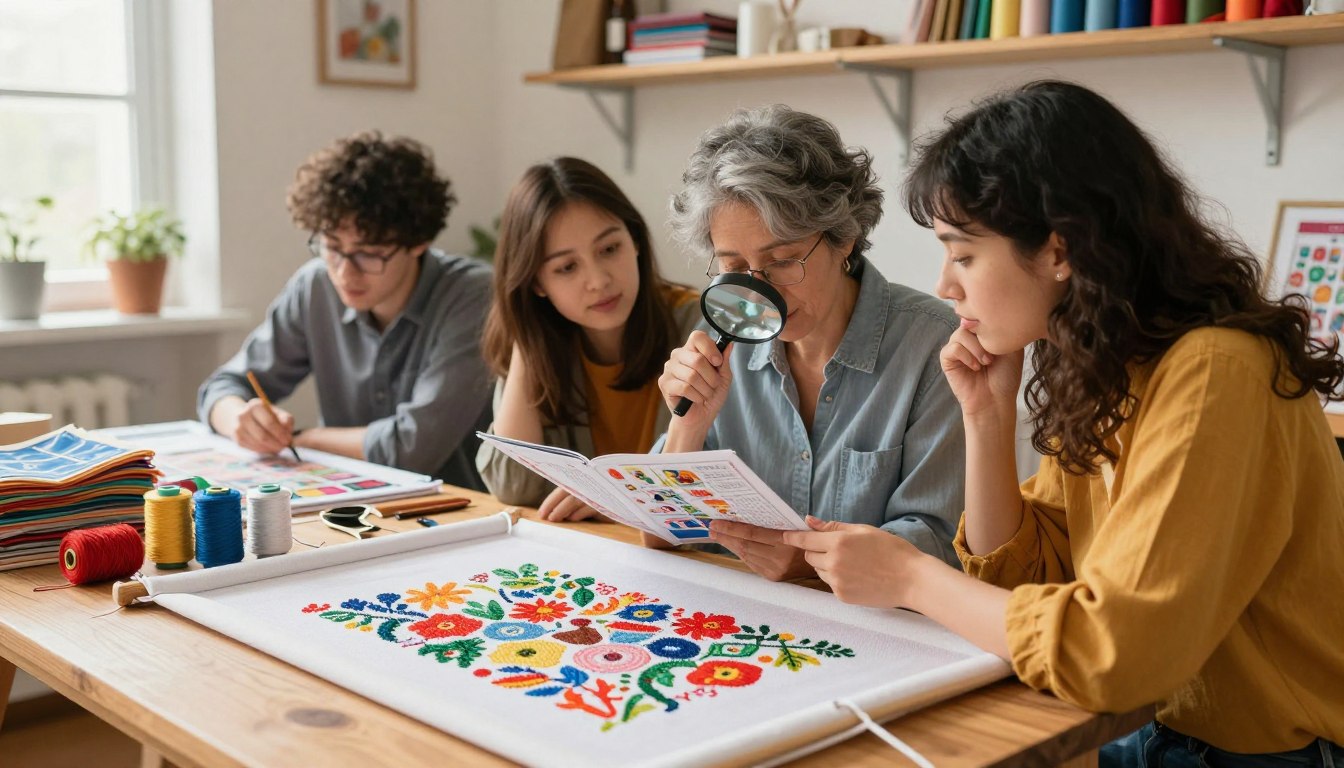
As an experienced stitcher, you’ve likely seen beginners make avoidable mistakes. CROSS STITCH is more than just stitching; it’s about patience, detail, and practice.
To get better at stitching, knowing common beginner mistakes is key. This article shares cross stitch tips and techniques to boost your skills.
Learning from those who have been stitching for a while can help you avoid mistakes. This article is for both newbies and seasoned stitchers. It offers embroidery hacks to elevate your stitching.
Key Takeaways
- Understand common mistakes beginners make in CROSS STITCH
- Learn valuable cross stitch tips to improve your skills
- Discover techniques to enhance your stitching craft
- Avoid common pitfalls with expert guidance
- Create beautiful cross stitch patterns with ease
The Hidden Language of CROSS STITCH Patterns
Cross stitch patterns have a secret language that you learn with time. As you explore counted cross stitch, you’ll see that patterns are more than just pretty pictures. They are detailed guides for your needle and thread.
Decoding Symbol Charts Like a Pro
Symbol charts are the blueprints for your cross stitch projects. To decode them well, you must understand the symbols and colors. Most charts use a key to explain the symbols, which stand for different colors and stitches. Knowing this key is key to reading the chart right.
Recognizing Pattern Repeats and Shortcuts
Many cross stitch patterns repeat sections to make a bigger design. Recognizing these repeats helps you stitch faster and avoid errors. Look for the same sequences of symbols or colors all over the chart.
Understanding Fractional Stitches and Special Symbols
Fractional stitches and special symbols add detail and complexity to your design. These symbols often represent three-quarter stitches or other non-standard stitches. Knowing their meaning is key to getting the look you want.
Pattern Selection Based on Skill Level
Picking the right pattern is crucial for enjoying cross stitching. Beginners should start with simple patterns that have big, easy-to-read charts and fewer colors.
Identifying Deceptively Complex Designs
Some patterns may seem simple at first but can get complex as you stitch. Watch out for designs with many colors or intricate details.
Spotting Well-Designed vs. Problematic Patterns
A good pattern should have a clear chart, a logical color scheme, and few confusing symbols. Problematic patterns often have dense areas of dark colors or too many symbols in a small space. Learning to spot these issues can save you time and trouble.
Fabric Fundamentals: Choosing the Right Canvas
Knowing about fabric types is key for a great cross-stitch project. The fabric you pick changes the project’s size, detail, and look.
Count Matters: Aida vs. Evenweave vs. Linen
The fabric you choose greatly affects your cross-stitch project. Aida, evenweave, and linen are top picks, each with its own traits.
When to Choose Each Fabric Type
Aida is best for newbies because it shows a grid. Evenweave is great for detailed work. Linen adds a rustic feel to your project.
| Fabric Type | Characteristics | Best For |
|---|---|---|
| Aida | Visible grid, easy to stitch | Beginners, simple projects |
| Evenweave | Flexible, detailed stitching | Complex designs, experienced stitchers |
| Linen | Natural texture, rustic look | Projects where texture is desired |
How Fabric Count Affects Project Size and Detail
The fabric count changes how dense your stitches are. This affects the project’s size and detail. Higher counts mean more detail but need more precision.
Fabric Preparation Techniques
Getting your fabric ready is vital for smooth stitching. This includes washing it before starting and handling it carefully.
Pre-washing and Handling Considerations
Washing your fabric first helps avoid shrinkage. Also, handle it gently to prevent damage.
Gridding Methods That Save Time and Frustration
Gridding your fabric, especially for evenweave or linen, makes stitching easier. Using a water-soluble pen or DMC floss for gridding works well.
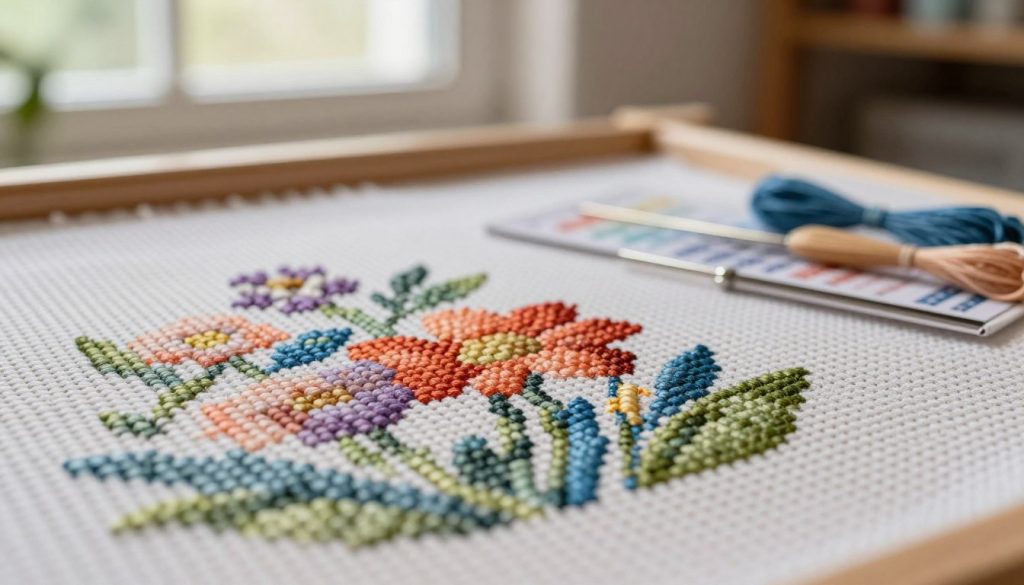
Choosing the right fabric and preparing it well sets you up for success in cross-stitch. Whether you’re new or experienced, knowing your fabric options is crucial for the best results.
Thread Tension Secrets That Transform Your Work
To improve your cross-stitch, understanding thread tension is key. Thread tension greatly impacts your design’s look. Proper thread tension ensures your stitches are even and professional. But, bad tension can cause puckering or loose threads.
The “Railroad” Technique for Flatter Stitches
The “railroad” technique helps make your stitches flat. It involves laying threads in a straight line for a smooth look. This method works best for big color areas.
Controlling Thread Twist for Consistent Coverage
Keeping thread twist under control is crucial for even coverage. Be careful not to twist your thread too much. Twisting too much can distort it, leading to uneven areas.
Direction of Stitches and Why It Matters
The direction of your stitches greatly affects your cross-stitch’s look. Stitching in one direction keeps your work cohesive and prevents tangles.
Managing Multiple Strands Without Tangling
Working with multiple threads can be tricky. To avoid tangles, use a few tricks. Start with a thread conditioner to keep your threads smooth.
Loop Start and Other Beginning Techniques
Using a loop start or other techniques at the beginning is important. They help keep your threads in place as you stitch.
Ending Threads Securely Without Knots
Ending threads without knots is a skill for experienced stitchers. Weaving your thread ends into the fabric creates a nearly invisible finish. It won’t ruin your design.
The Art of Backstitching and Embellishments
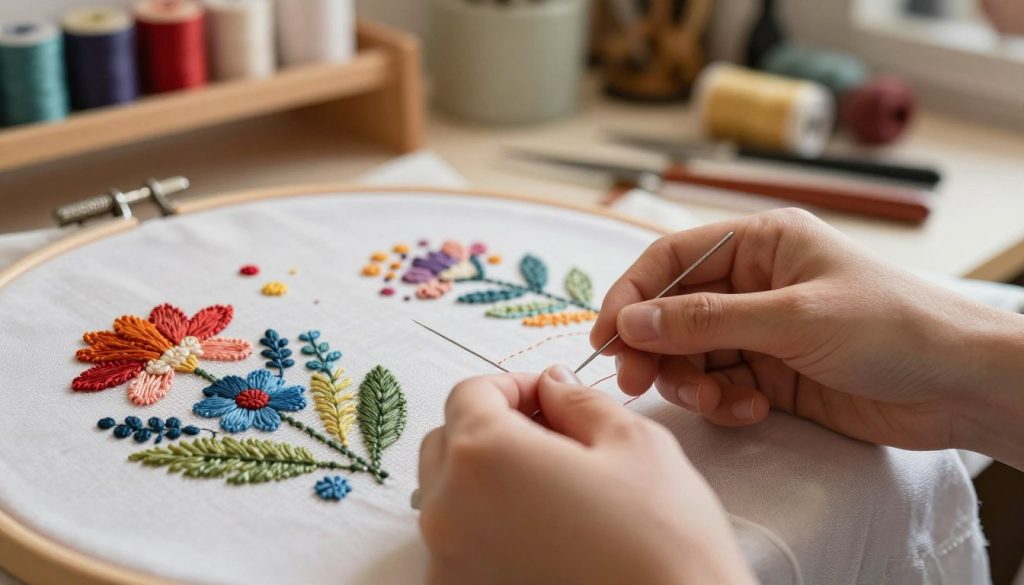
To improve your CROSS STITCH, learn about backstitching and embellishments. These techniques can make a simple design into a detailed masterpiece. Backstitching adds depth, while embellishments add texture and interest.
When to Add Detail Lines for Maximum Impact
Detail lines are key to your CROSS STITCH’s look. Knowing when to add them is important for the right effect.
Backstitching Order and Technique
The order of backstitching affects your design. It’s best to do the main stitching first. This lets you see the design and plan where to add detail lines.
Creating Depth with Varied Line Weights
Using different line weights adds depth. Thicker lines work well for the front, while thinner lines are good for the back.
Beyond Basic Stitches: French Knots and Specialty Stitches
After mastering basics, try French knots and specialty stitches. They add complexity and interest to your work.
Incorporating Beads and Metallic Threads
Beads and metallic threads add luxury. Choose materials that match your design’s look.
Blending Colors for Realistic Shading
Color blending enhances realism. By mixing thread colors, you can create subtle shading and depth.
| Technique | Description | Best Used For |
|---|---|---|
| Backstitching | Adding definition and detail | Outlining, details |
| French Knots | Creating texture and dimension | Floral elements, textures |
| Beads and Metallic Threads | Adding luxury and visual interest | Accent points, highlights |
Mastering backstitching and embellishments can elevate your CROSS STITCH. Try different methods and materials to find what works for you.
Tool Selection Beyond the Basic Kit
To improve your cross stitch, you need more than the basics. The right cross stitch tools can really help.
Needle Types That Make Specific Stitches Easier
The needle you choose affects your stitching. Each needle is best for certain stitches and fabrics.
Ball-Tipped vs. Sharp Needles: When to Use Each
Ball-tipped needles work great for cross stitch on Aida or evenweave. They don’t hurt the fibers. Sharp needles are better for detailed work or linen.
Needle Threaders and Other Helpful Gadgets
A needle threader is a big help with floss. Other tools like needle holders and thread conditioners also improve your stitching.
Frames and Hoops: When to Use Each
The right frame or hoop keeps your fabric tight. This makes stitching easier.
Q-Snap Frames vs. Traditional Hoops
Q-Snap frames are flexible and easy to use. Traditional hoops offer a classic stitching feel. Your choice depends on what you like and the size of your project.
Scroll Frames for Larger Projects
Scroll frames are perfect for big projects. They help manage large fabrics, keeping your work area tight and easy to access.
Organization Systems for DMC Floss and Supplies
Keeping your DMC floss and supplies organized is key. Use a cross stitch organization system with bobbins, boxes, and label makers.
- Floss bobbins for managing strands
- Storage boxes for keeping supplies tidy
- Label makers for identifying threads
With the right cross stitch tools and cross stitch frames, you’ll make stunning projects.
Advanced CROSS STITCH Techniques for Stunning Results
Advanced cross stitch techniques can make your projects stand out. They turn simple designs into stunning works of art. By mastering these techniques, you can elevate your stitching skills and create unique pieces.
Proper Blocking and Finishing Methods
Blocking and finishing are key to a professional-looking cross stitch. These steps ensure your project looks polished and complete.
Washing Completed Projects Without Damage
To wash your cross stitch without damage, use cold water and a mild detergent. Gently move the fabric, then rinse well and let it air dry.
Pressing and Stretching for Professional Results
Pressing and stretching can greatly improve your cross stitch’s look. Use a steam iron to press the fabric. Then, stretch it to the right shape and pin it in place.
Creative Mounting and Display Ideas
Think about creative ways to display your cross stitch. This can make your piece a beautiful part of your home decor.
Framing Options Beyond the Standard Hoop
Framing your cross stitch adds a professional touch. Choose a wooden or metal frame that matches your project’s design and colors.
Incorporating Cross Stitch into Other Crafts
You can also use your cross stitch in other crafts. This adds a creative twist to your work, making it even more unique.
| Technique | Description | Benefits |
|---|---|---|
| Blocking | Washing and stretching the finished project | Enhances appearance, removes creases |
| Framing | Mounting the project in a frame | Adds professional touch, protects the work |
| Incorporating into other crafts | Using the cross stitch project in other art forms | Adds creativity, uniqueness, and versatility |
Conclusion: Developing Your Stitcher’s Eye
As you keep going on your CROSS STITCH journey, you’ll see your skills grow. It takes time and effort, but with patience, you’ll master complex patterns. Soon, you’ll be able to make stunning pieces.
For cross stitch for beginners or those wanting to get better, keep practicing. Use the tips from this article to make beautiful CROSS STITCH art. Your creativity will shine through.
Start with beginner cross stitch projects to build your skills and confidence. As you get better, try more challenging patterns and techniques. This includes the advanced methods talked about later.
To get even better, look for more cross stitch tips and resources. With hard work and practice, you’ll be ready for any design. You’ll gain the confidence and skills needed.
FAQ
What is the best fabric to use for cross stitch?
How do I choose the right cross stitch pattern for my skill level?
What is the “railroad” technique in cross stitch, and how does it improve thread tension?
How do I manage multiple strands of DMC floss without tangling?
What is the best way to start and end threads in cross stitch?
How do I grid my cross stitch fabric for accurate stitching?
What are some common mistakes beginners make in cross stitch, and how can I avoid them?
How do I block and finish my cross stitch project?
What are some creative ways to display my finished cross stitch projects?
This post contains affiliate links. If you click on a link and make a purchase, I may earn a small commission — at no extra cost to you. Thank you for supporting this blog and helping me keep the patterns free! Read the full Affiliate Disclosure & Transparency.