
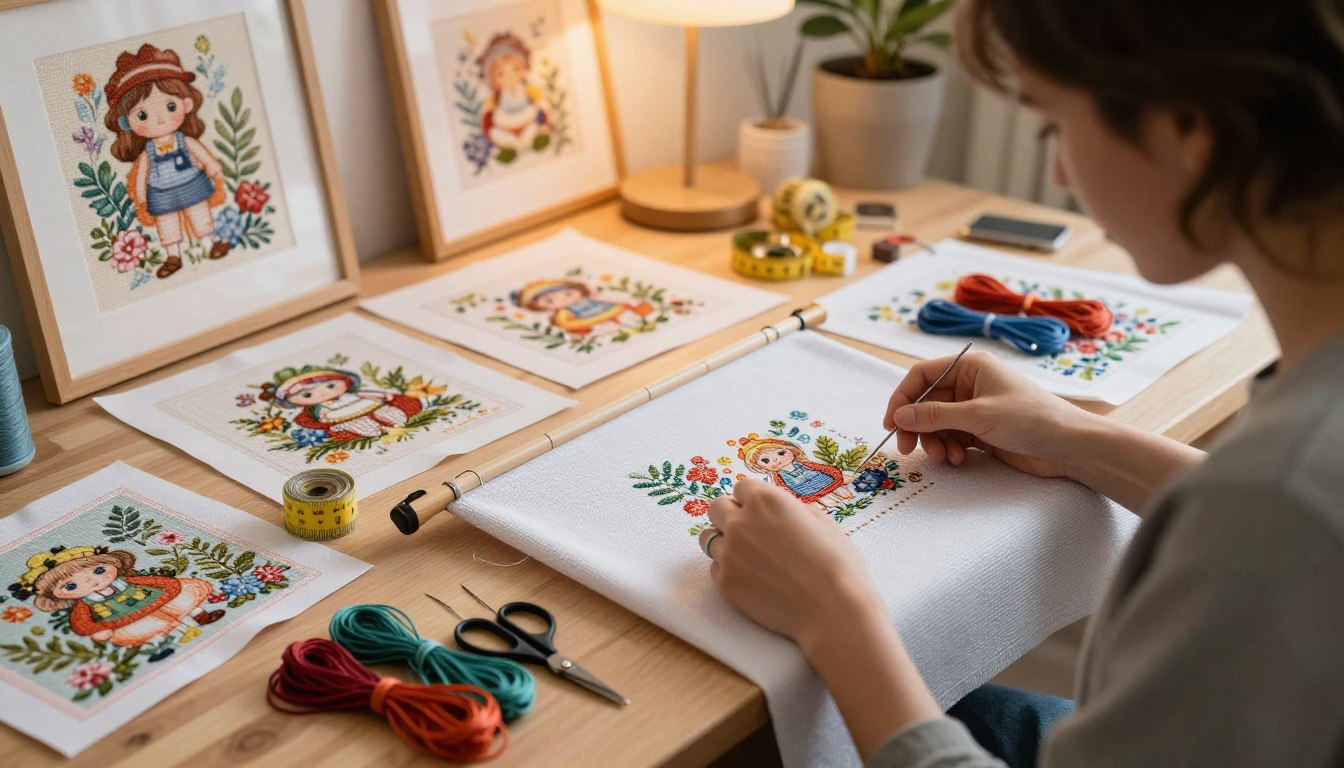
Many crafters rush to finish their cross stitch projects fast. But, rushing through can cause mistakes and a poor finish. It’s better to focus on preparation and technique.
Using the right tools and organizing your threads can save time. It also makes your work look better. By following cross stitch tips and learning cross stitch techniques, you can create beautiful needlework.
Key Takeaways
- Preparation is key to a successful cross stitch project.
- Organizing your threads can save time and reduce mistakes.
- Mastering various cross stitch techniques can improve your overall skill.
- Focusing on technique rather than speed leads to better outcomes.
- Having the right equipment is essential for a enjoyable cross stitch experience.
The Mindset Shift: Quality Over Speed in CROSS STITCH
Changing your focus from speed to quality is key in cross-stitch. It makes sure your project is something to be proud of. By focusing on quality, you create beautiful art and enjoy a hobby that brings joy and calm.
As you start your cross-stitch journey, remember that quality over speed is not just a saying. It’s a must for a project that’s satisfying.
Common Rushing Mistakes That Ruin Projects
Rushing can cause many mistakes in cross-stitch. These include wrong thread length, poor organization, and sloppy stitches. For cross stitch beginners, these mistakes can be really frustrating. They waste time and ruin the project’s look.
Common mistakes include counting stitches wrong, using the wrong thread color, and not keeping tension even. These can be avoided by taking a more careful approach.
Some common mistakes that ruin projects include:
- Miscounting stitches due to haste
- Using incorrect thread colors or lengths
- Failing to maintain consistent tension
How Preparation Leads to Better Finished Results
Preparation is crucial for high-quality cross-stitch results. By preparing well, you can avoid many mistakes. Good preparation means pre-stretching fabric, organizing threads, and using the right tools.
This not only makes stitching better but also makes your finished product look professional and beautiful.
By focusing on preparation and quality, you’ll enjoy cross-stitch more. This change takes time, but the results are worth it. You’ll have projects to be proud of, to display or give as gifts.
Essential Preparation Steps Before Threading Your Needle
Getting ready before you start stitching is key to a great cross-stitch project. Good preparation makes stitching better and your final product look amazing.
Selecting the Right Fabric, Floss, and Tools
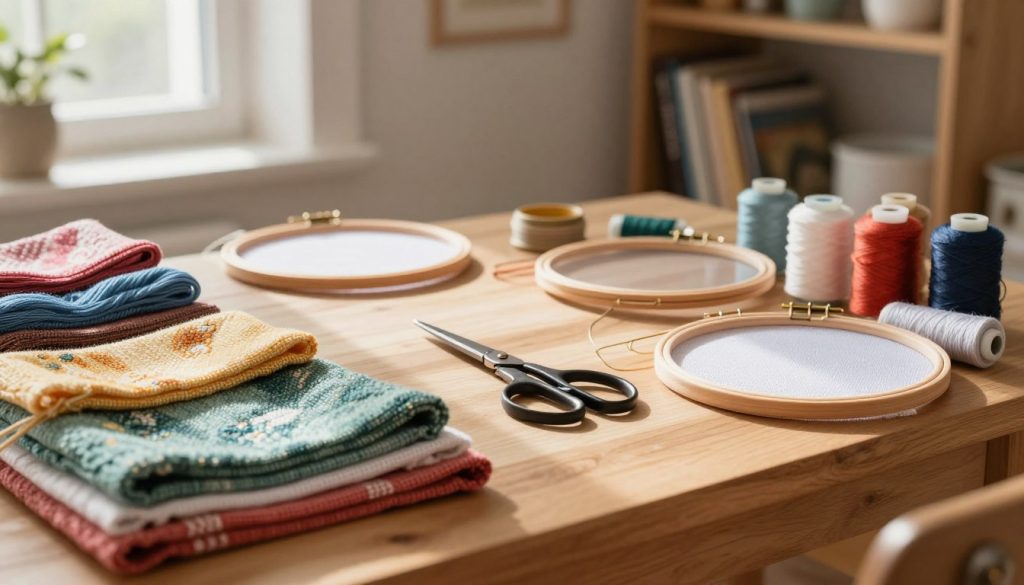
Choosing the right materials is the first step. Cross stitch fabric like Aida or Evenweave should match your pattern and taste. For floss, DMC has many colors to choose from.
For tools, the right needles, scissors, and hoops or frames are important. A cross stitch frame or lap stand keeps your fabric tight. This makes stitching easier.
Pattern Analysis: Understanding Before Stitching
Understanding your pattern before you start is crucial. Read the instructions, know the stitch count, and look for special stitches. This avoids mistakes and makes stitching more fun.
Creating an Ergonomic Workspace Setup
Creating a comfy workspace is key for stitching. Make sure it’s well-lit and you’re sitting right. A cross stitch frame or a lap stand at the right height helps avoid back, neck, and eye strain.
This setup lets you stitch for longer without getting tired. It makes the whole experience more enjoyable.
Fabric Preparation Techniques That Prevent Future Headaches
Before you start stitching, preparing your cross stitch fabric is key. It saves you from future headaches. Proper preparation is essential for a successful project. It prevents common issues like counting errors and fabric distortion.
Gridding Methods to Eliminate Counting Errors
Using a gridding method on your fabric is a great way to ensure accuracy. Gridding creates a grid on your fabric that matches the stitch count. This makes following the pattern easier.
You can grid your fabric in several ways. For example, you can use a water-soluble pen, apply a pre-printed grid, or stitch a temporary grid with contrasting thread. These methods help avoid counting errors, especially in complex patterns.
Fabric Treatments and Handling Best Practices
Proper fabric treatment and handling are also crucial. Wash and iron your fabric before starting to remove sizing and creases. Handling your fabric gently is important to prevent distortion or damage.
| Fabric Treatment | Purpose | Benefit |
|---|---|---|
| Washing | Remove sizing and impurities | Prevents fabric distortion during stitching |
| Ironing | Remove creases and wrinkles | Eases stitching and improves accuracy |
| Gently handling fabric | Prevent damage and distortion | Ensures even tension and stitch quality |
By using effective gridding methods and proper fabric treatment and handling, you can greatly improve your cross stitch experience. These techniques not only make your stitching more accurate but also make the process more enjoyable and stress-free.
Thread Organization Systems That Transform Your Stitching Experience
Starting a new stitching project can be exciting. But, managing many threads can be overwhelming. A good thread system makes a big difference. It saves time and reduces stress, letting you enjoy the creative part more.
DMC Floss Storage and Labeling Solutions
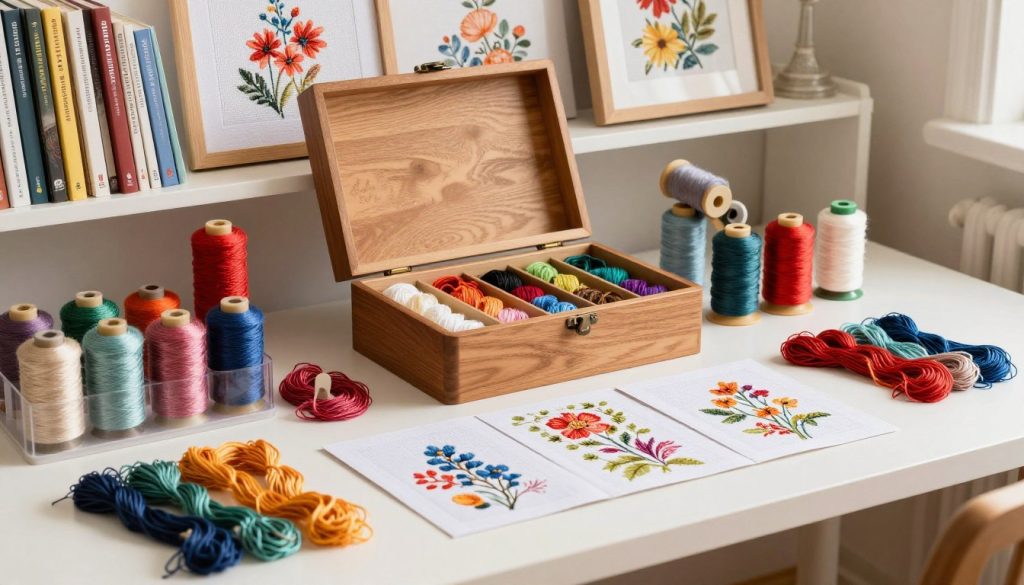
DMC floss is a favorite among stitchers. Keeping it organized is key. Thread cards are a great way to store and label your floss. They have slots for the floss and can be labeled by color number.
The Bobbin Box is another great option. It’s small and keeps your threads tidy. Labeling each bobbin with the DMC color number makes it easy to find what you need.
For a big collection, use a system that organizes threads by color or project. Storage boxes or bins with dividers work well. Clear labels on these containers help you find threads fast.
Color Sorting Strategies for Complex Pattern Navigation
Sorting colors is crucial for complex patterns. Sort threads by how often they’re used in the pattern. This way, you can quickly find the colors you need most.
Organizing threads by shade or hue is another strategy. This creates a gradient effect. It’s especially helpful for patterns with many similar colors. A color wheel or reference chart can help you find the right shades quickly.
Using these thread organization systems can greatly improve your stitching experience. You’ll save time and enjoy a more relaxed creative process.
The Mental Benefits of Slow, Deliberate Cross Stitch
Slow and deliberate cross-stitch unlocks mental benefits that make stitching better. This careful way of working improves your skills and acts as therapy. It greatly boosts your mental health.
Mindfulness and Stress Reduction Through Preparation
Preparing for cross-stitch, like picking fabric and threading needles, promotes mindfulness. It helps you stay present and lowers stress. The stitching itself is calming, like meditation.
Working at a deliberate pace lets you forget daily stress. It makes you focus on the creative process. This mindfulness helps in other life areas, making you more resilient.
Building Confidence Through Methodical Approaches
Slow cross-stitch builds confidence in your skills. Each stitch is a step towards success. This pride in your work boosts your self-esteem.
It also teaches patience and persistence. Overcoming tough patterns boosts your confidence and motivation. You learn to celebrate small wins.
Conclusion: Embracing the Preparatory Journey in Needlework
Starting your cross-stitch journey can be as fun as seeing your finished project. By focusing on preparation and using a methodical approach, you’ll enjoy stitching more. Whether it’s your first project or something more challenging, good preparation leads to better results.
Embracing the prep work makes the journey enjoyable, reduces stress, and boosts your confidence. As you try different projects, you’ll find the journey is as rewarding as the end result. With the right preparation, you can create stunning pieces that show off your skill and creativity.
If you’re new to cross-stitch, start with beginner-friendly patterns and techniques. This helps you build good habits and appreciate the craft more. As you get more comfortable, you’ll be ready to tackle more complex projects.
FAQ
What is the most common mistake beginners make when starting a cross-stitch project?
How do I choose the right fabric for my cross-stitch project?
What are some effective ways to organize DMC floss for complex patterns?
How can I prevent backstitching mistakes in my cross-stitch project?
What are the benefits of adopting a slow and deliberate approach to cross-stitch?
How can I create an ergonomic workspace for cross-stitch?
What are some common thread organization systems for cross-stitch?
How can I ensure accurate counting when stitching a complex pattern?
This post contains affiliate links. If you click on a link and make a purchase, I may earn a small commission — at no extra cost to you. Thank you for supporting this blog and helping me keep the patterns free! Read the full Affiliate Disclosure & Transparency.