
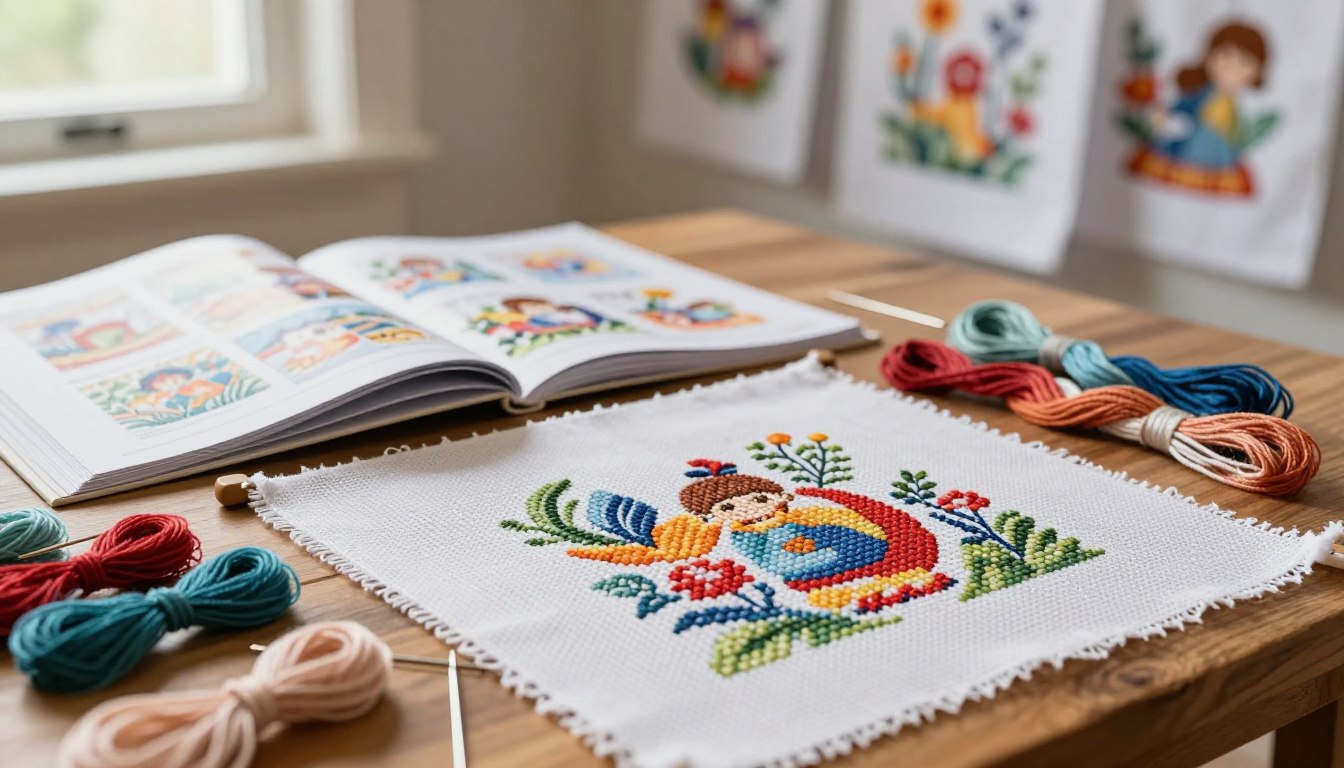
In cross stitch projects, design complexity often gets all the attention. But, the real beauty comes from the finishing touches that make it shine.
Did you know a well-finished project can be more captivating than a complex one? The brain loves complexity, but clean finishing makes a bigger impact. Learning cross stitch tips and needlework secrets can elevate your work.
Key Takeaways
- Clean finishing is crucial for the overall appearance of a cross-stitch project.
- A well-finished project can be more engaging than one with complex design.
- Mastering cross stitch techniques and needlework secrets is essential.
- Finishing touches can make or break the beauty of a piece.
- Embroidery inspiration can be found in the details.
The Hidden Impact of Finishing in Your Needlework Projects
A well-finished needlework project can turn a simple design into a masterpiece. When people see your cross-stitch, they notice the finishing first. This is because the finishing can either make or break the look of your piece.
First Impressions: What Viewers Notice Before Design Details
When someone looks at your cross-stitch, they see several things before the design. They notice how neat it is, if the stitches are even, and how it’s framed. Proper finishing techniques can make your work look professional and catch people’s attention.
A well-blocked and stretched piece looks more vibrant and detailed. Also, hiding thread ends and securing them properly keeps your project looking neat. This prevents a messy look that might turn people off.
The Professional Touch: How Finishing Elevates Simple Patterns
Even simple cross-stitch patterns can look professional with the right finishing. Using effective backstitching for detail and quality frames can make a big difference. By focusing on these details, you can make a basic project truly stand out.
- Proper blocking and stretching to enhance the design
- Effective backstitching for added definition
- Quality framing to present your work professionally
By paying attention to these finishing techniques, you can make your cross-stitch projects look professional. This will be appreciated by anyone who sees them.
Common Finishing Mistakes That Undermine Your Hard Work
A well-finished cross-stitch project can make even simple designs shine. On the other hand, a poorly finished one can ruin its beauty. It’s key to know the common mistakes that can undo all your hard work.
Tension Issues and Their Visual Impact
Tension problems can greatly affect your cross-stitch’s look. Too tight tension can make the fabric pucker, while too loose can make it sag. Keeping your tension even is crucial.
Choosing the right needle and thread is also important. A blunt-tipped tapestry needle helps avoid fabric thread splits, keeping tension even.
Uneven Stitches and How They Affect Overall Appearance
Uneven stitches can make your project look amateurish. Use the right stitching technique and keep your stitch length consistent. High-quality threads like DMC floss help achieve even stitches.
Counting your stitches carefully is also key. A magnifying glass or good light can help ensure accuracy.
Improper Washing, Pressing, and Framing Techniques
Wrong washing and pressing can harm your finished project. Wash it gently in cold water and avoid wringing or twisting. Press with a low-temperature iron and use a pressing cloth to protect your stitches.
Choosing the right frame is crucial for the final step. Use acid-free mats and UV-filtering glass to protect your work.
| Finishing Technique | Common Mistake | Correct Method |
|---|---|---|
| Washing | Wringing or twisting | Gentle cold water wash, pat dry |
| Pressing | High-temperature iron | Low-temperature iron with pressing cloth |
| Framing | Using non-acid-free materials | Use acid-free mats and UV-filtering glass |
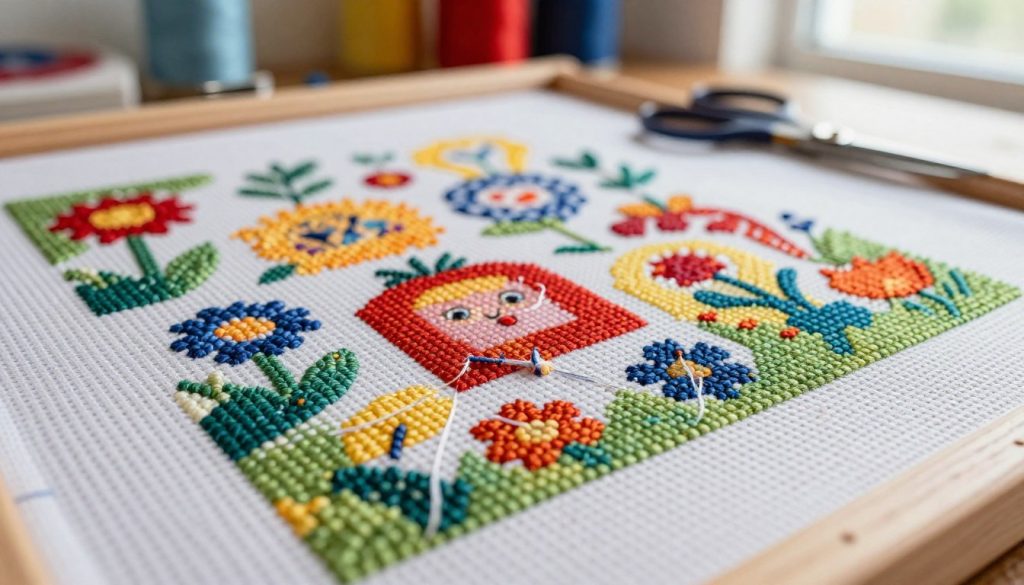
Knowing these common finishing mistakes helps you avoid them. This way, your cross-stitch projects will look their best. Remember, the finishing touches greatly impact your work’s appearance.
Essential CROSS STITCH Finishing Techniques for Professional Results
To get a professional look in your cross-stitch, you need to learn a few key steps. The finishing stage is where all your hard work comes together. It’s where you turn your project into a beautiful piece of art.
Using the right finishing techniques can make your work look more polished. It can make your cross-stitch look sophisticated and professional.
Proper Blocking and Stretching Methods
Blocking and stretching are key steps in finishing your cross-stitch. Blocking means wetting your work, stretching it, and letting it dry. This makes your work look even and relaxed.
To block, wet your work, pin it to a board or towel, and let it dry. Stretching means putting your work in a frame to keep its shape.
As a cross-stitch expert says, “Proper blocking is key for a smooth surface.” These methods are essential for a professional finish.
Effective Backstitching for Definition and Detail
Backstitching adds definition and detail to your cross-stitch. It’s about stitching over existing stitches to create bold lines. Use a contrasting thread color and follow the pattern’s guidelines.
Effective backstitching can greatly improve your work’s appearance. It adds depth and dimension.
- Use a contrasting thread color to make your backstitching stand out.
- Stitch over existing stitches to create bold lines and outlines.
- Follow the pattern’s guidelines for backstitching to ensure accuracy.
Securing and Hiding Thread Ends Invisibly
Securing and hiding thread ends is crucial in finishing your cross-stitch. Thread your needle with the tail end and weave it through existing stitches on the back. This secures the thread end.
To hide the thread end, weave it through the stitches so it’s invisible from the front. “A well-finished cross-stitch should have no visible thread ends,” says an experienced crafter. This technique ensures a clean finish.
Washing and Pressing Your Completed Work
After finishing your cross-stitch, wash and press it to remove dirt or oils. Hand wash it in cold water with mild detergent, then press it to remove moisture. Press your work with a hot iron on a low setting, ironing the back to avoid damaging stitches.
By mastering these essential techniques, you can create professional-looking cross-stitch pieces. Whether you’re new or experienced, proper finishing techniques can make your work special.
Tools and Supplies That Elevate Your Finishing Game
To improve your cross-stitch skills, getting the right tools is key. Quality equipment can greatly enhance your projects’ look and life span. Whether you’re new or experienced, having the right tools is vital for top-notch results.
Quality Frames and Mounting Options
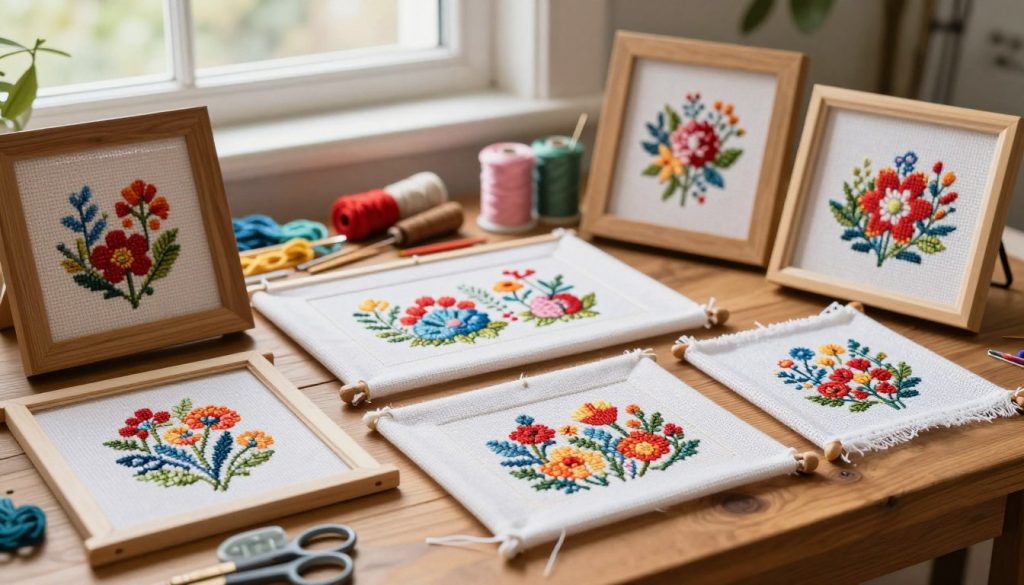
The frame and mounting you pick can really make your cross-stitch pop. High-quality cross stitch frames boost the look and protect your work. Look for frames made for embroidery or needlework, as they often have acid-free mats and UV-filtering glass.
Depending on your project, you might need different frames. For small pieces, a clip frame works well. But for bigger or more detailed designs, you’ll need a sturdier frame with extra support. Here’s a quick guide to common framing options:
| Framing Option | Description | Suitable for |
|---|---|---|
| Clip Frame | Simple, adjustable frame | Smaller projects, temporary displays |
| Shadow Box Frame | Deep frame for layered or textured pieces | Projects with multiple layers or dimensions |
| Floating Frame | Frame that gives the illusion of floating | Modern designs, minimalist presentations |
Specialized Finishing Tools Worth Investing In
There are many specialized cross stitch tools that can make a big difference. A good needle threader, for example, saves time and reduces frustration with threads like DMC floss. Also, embroidery hoops with stands help keep your work tight and easy to manage.
Other tools worth considering include:
- A blocking board for stretching and drying your work
- A pressing tool or iron with steam for smoothing wrinkles
- Thread conditioners or organizers for keeping DMC floss and supplies neat
Storage and Display Solutions for Preserving Your Work
After finishing and framing, think about how to store and display your work. This includes:
- Storage boxes or bins for unused supplies
- Display shelves or cabinets for your finished pieces
- Acid-free tissue paper or boxes for storing projects not on display
By choosing the right tools and supplies, your cross-stitch projects will stay beautiful for years. They’ll also look great.
Transforming Simple Designs Through Expert Finishing
Expert finishing can turn simple cross-stitch designs into stunning art. When you work on a cross-stitch, you want it to look amazing. The finishing touches can make a big difference in how it looks.
Before and After: Real Examples of Finishing Transformations
Let’s see how finishing can change simple designs. A basic pattern might look dull before finishing. But with blocking, stretching, and framing, it becomes a beautiful piece of embroidery.
| Before Finishing | After Finishing |
|---|---|
| Dull and wrinkled | Smooth and vibrant |
| Lacking definition | Clear and detailed |
| Unframed and unpresented | Beautifully framed and displayed |
Techniques to Make Beginner Patterns Look Professional
To make beginner patterns look pro, focus on the details. Proper backstitching adds definition. Also, hiding thread ends well makes a big difference.
Using quality frames and mounting options can also improve your projects. For cross stitch for beginners, start with the basics and then move to more complex techniques.
Adding Special Touches to Basic Projects
To elevate basic cross-stitch projects, add special touches. Personalized text or unique framing can make a simple design stand out. These elements can turn a basic project into a unique piece of art, offering endless cross stitch ideas.
By using these techniques and tips, you can create stunning cross-stitch projects. They will show off your skill and creativity, inspiring others with your embroidery inspiration.
Conclusion: Perfecting Your Finishing Skills for Stunning Results
The finishing touches on your CROSS STITCH projects can really make a difference. By using the techniques and secrets shared, you can take your work from amateur to professional. This will make your projects stand out.
To get stunning results, focus on mastering skills like backstitching and securing thread ends. Using top-notch materials, like DMC floss, will also improve your project’s finish. Try out different embroidery hacks to see what works best for you.
With practice and patience, you’ll get better at making beautiful, professional-looking CROSS STITCH pieces. Whether you’re experienced or just starting, improving your finishing techniques will elevate your needlework. By using these tips, you’ll be able to show off your skills and enjoy making special pieces.
FAQ
What is the most critical aspect of finishing a cross-stitch project?
How can I avoid tension issues in my cross-stitch project?
What is the best way to secure thread ends in a cross-stitch project?
Can I use any type of floss for my cross-stitch project?
How do I properly block and stretch my completed cross-stitch project?
What are some common mistakes to avoid when washing and pressing a completed cross-stitch project?
How can I add special touches to a basic cross-stitch project?
What type of frame is best for displaying a cross-stitch project?
How can I store and display my completed cross-stitch projects?
This post contains affiliate links. If you click on a link and make a purchase, I may earn a small commission — at no extra cost to you. Thank you for supporting this blog and helping me keep the patterns free! Read the full Affiliate Disclosure & Transparency.